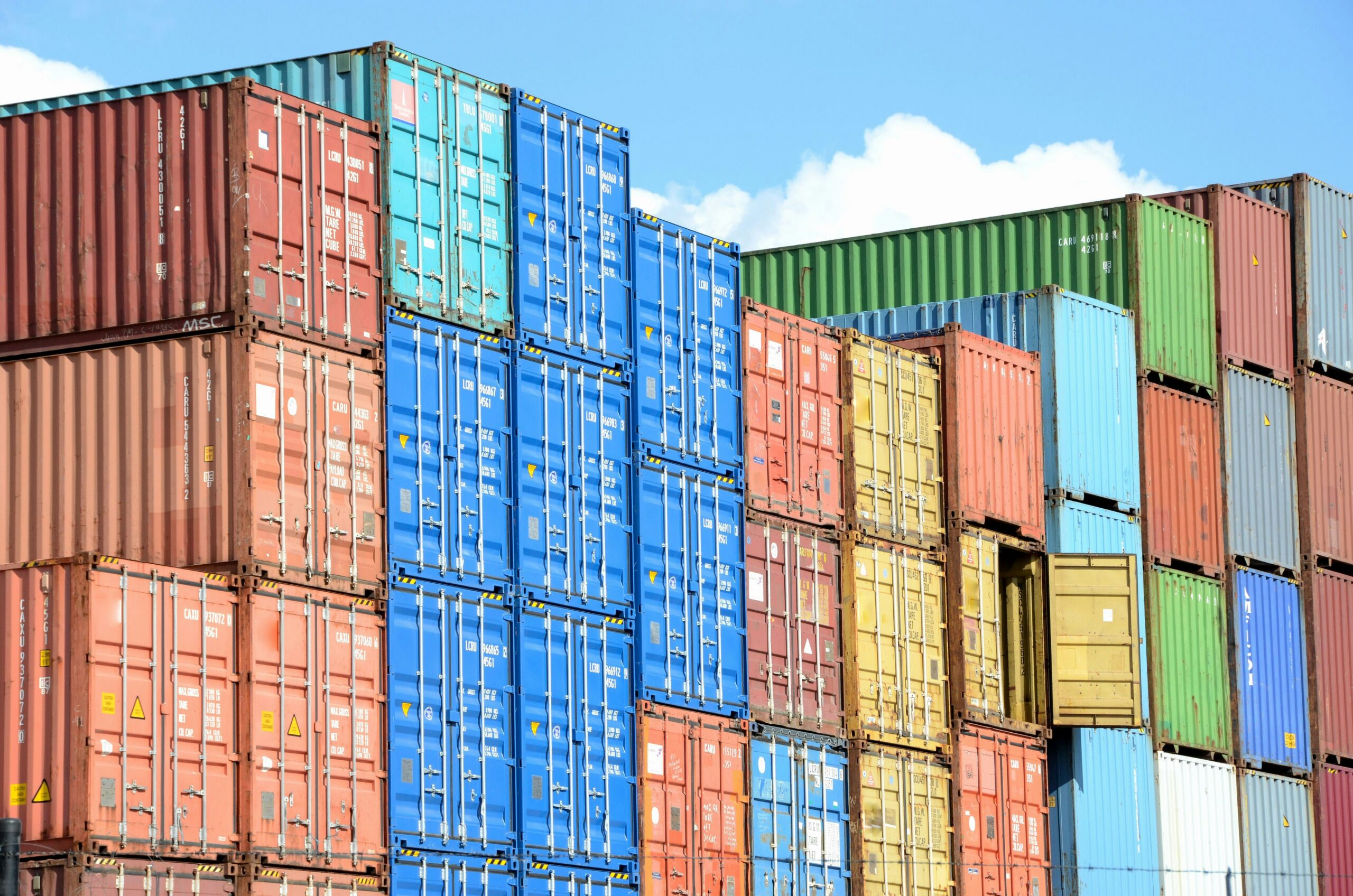
As protectionist measures multiply across the world’s largest economies, experts warn that decades of carefully built global trade networks are under serious strain.
The era of frictionless global trade may be drawing to a close. From Washington to Brussels, and from Beijing to New Delhi, governments are turning inward — erecting tariff walls, tightening export controls, and reasserting national interest over multilateral co-operation. The consequences, analysts say, could be severe and long-lasting for the interlocking supply chains that underpin the modern global economy.
The numbers tell a stark story. According to the United Nations Conference on Trade and Development (UNCTAD), around 18,000 new discriminatory trade measures have been introduced since 2020, with technical regulations now affecting approximately two-thirds of global trade. The agency has projected a slowdown in global trade throughout 2026, warning that developing economies are likely to bear the heaviest burden.
At the heart of the disruption lies the trade rivalry between the United States and China. The US has levied tariffs as high as 145% on certain Chinese imports, citing concerns over overcapacity and unfair practices, while Beijing has retaliated with tariffs of up to 125% on American goods. The ripple effects have spread far beyond both countries, forcing manufacturers and logistics providers worldwide to rethink supply strategies that took years to build.
The World Economic Forum has declared that global supply chains have now entered an “era of structural volatility”, with geopolitical fragmentation, shifting trade rules and labour shortages all contributing to persistent disruption. The World Bank’s supply chain stress index — which monitors delays at ports and in shipping — is currently running well above long-term trends.
One of the central debates gripping policymakers is whether “reshoring” — bringing production back home — genuinely strengthens economic resilience. The evidence suggests it does not. The OECD’s latest analysis concludes that turning inward does not necessarily lead to stronger resilience, and that what matters instead is building agile, adaptable and aligned systems that allow firms and governments to respond to shocks while keeping trade flowing.
Yet the political appeal of economic self-sufficiency remains powerful. The semiconductor industry offers the clearest example of this tension. Governments now treat chip supply chains as strategic infrastructure, pouring subsidies into domestic manufacturing while simultaneously imposing export restrictions — gradually dismantling what was once a fully integrated global ecosystem.
A recent European Parliament briefing notes that while a wholesale retreat from globalisation is not yet occurring, “selective decoupling” between key trading partners — particularly the US and China, and western economies and Russia — is clearly under way, with specific sectors such as advanced technology facing the sharpest divergence.
According to McKinsey’s 2026 geopolitics and trade update, broader tariff increases now extend well beyond the US-China confrontation: the EU has implemented new safeguards on steel and chemicals, while countries across Latin America and Africa have raised barriers to shield their own industries from displaced global supply.
For businesses, the uncertainty is translating directly into higher costs and operational headaches. Thomson Reuters’ Global Trade Report 2026 confirms that tariff-related disruptions have shifted strategic priorities away from optimisation and towards systemic resilience. Companies are being forced to rapidly identify alternative suppliers, often at greater expense and lower reliability, while managing the compliance demands of an increasingly fragmented regulatory landscape.
Scott Livingstone, an international trade adviser at NatWest, has described what is happening bluntly as “the weaponisation of tariff policies” — a sign of how far the conversation has shifted from economics to geopolitics.
Whether the world’s trading nations can find their way back to a more co-operative framework remains an open question. What is no longer in doubt is the scale of the challenge now facing the companies, workers and governments whose livelihoods depend on the answer.